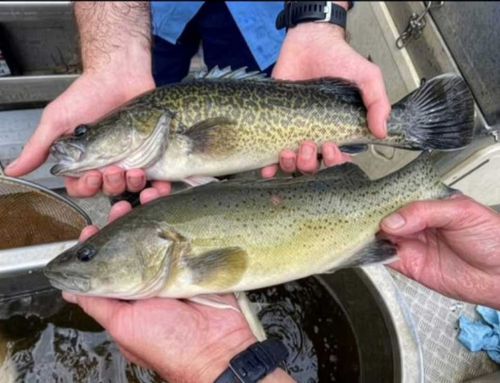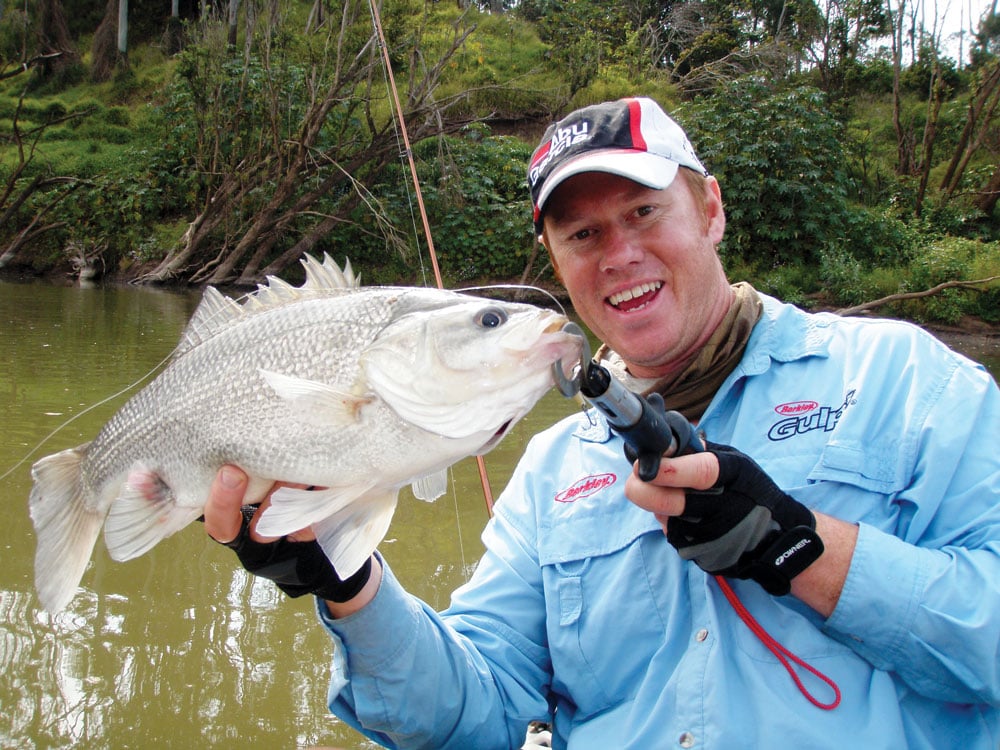
Jason Ehrlich shows us his techniques for catching wild river bass with a few tips that will help you greatly.
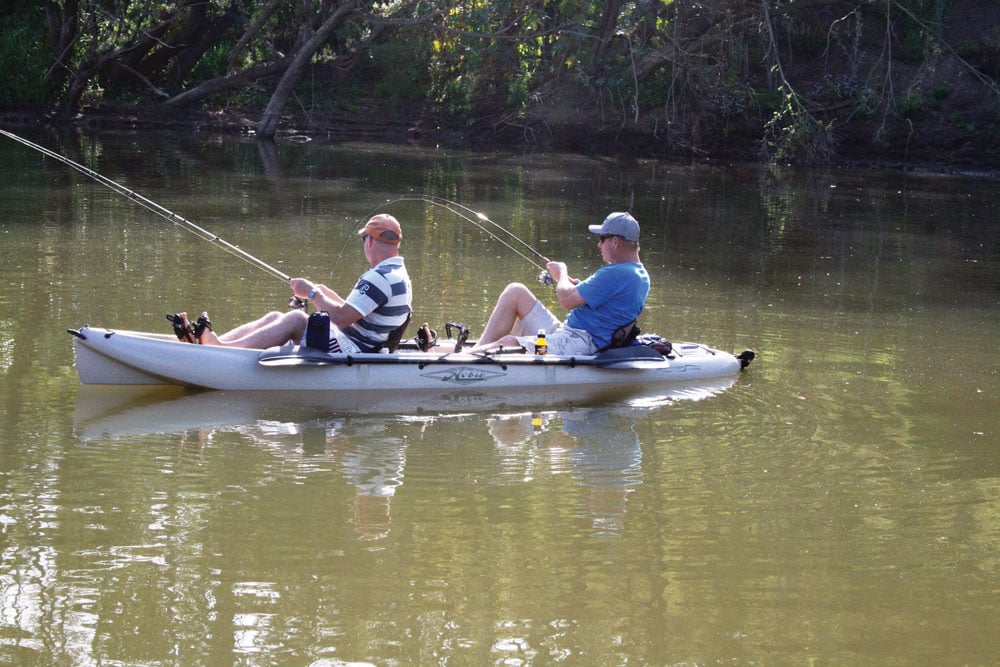
Fishing the shadows along a snaggy bank can be rewarding.
There are few better ways to access wild bass than using a kayak. Even though I have several boats, the kayak gets a run plenty of times when I am planning a quick trip or need to access an area too hard for the bigger boats to get into. Needless to say, fishing from the yak is quite different from fishing from a boat and to maintain a high level of success, the kayaker must pull every trick from his hat. While the kayak advantage is being able to launch close to the fish where a boat simply can’t go, there are disadvantages. The ability to move quickly from one spot to the next in the water is limited so it’s best to do your homework, pick a suitable stretch of water then knuckle down and keep your lures in the water.
When it comes to picking a suitable section of water to target bass in the rivers and creeks, we are spoiled for choice in south-east Queensland. Flood events over the last four years have allowed bass to escape the stocked impoundments and farm dams. This has added to the already existing stocks of wild fish and created a bass fisherman’s playground. These prized fish can be found from Gin Gin which is north of Bundaberg, right down to the northern New South Wales rivers. A little homework on Google Maps and talking to other bass fishermen through social media or even an old fashioned visit to your local tackle store, can be a good starting point.
Once on the water, there are several things you can do to improve your chances. These range from kayak handling right through to lure presentation. At first, fishing from a kayak may seem tricky. As you gain more experience, you will find yourself fighting less with kayak control, giving you more time to refine the important things which will help you catch more fish.
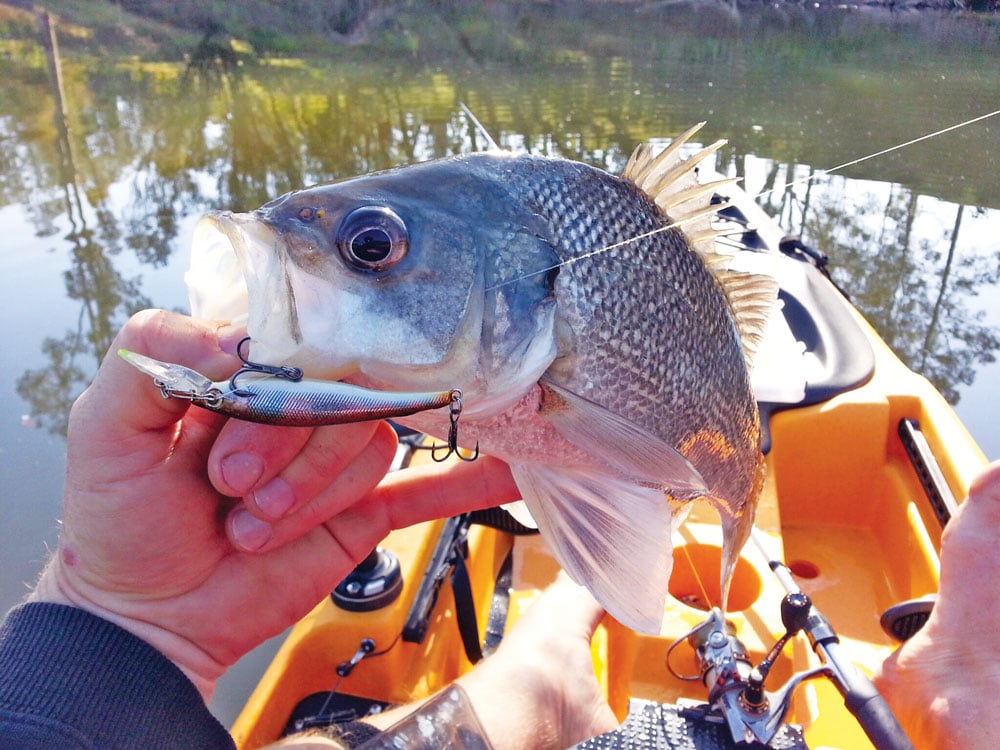
Bass love suspending lures flicked around the snaggy edges. This fish fell for a Cultiva Rippin’ Shad 70SP.
Stealth
Being a smaller craft, the kayak is perfect for a stealthy approach. Fish find it harder to see the craft and occupant due to the increased angle created by low profile and sitting position of the angler. This angle makes it harder to see your lures and the fish striking them underwater. The visibility into and back out of the water works both ways so you’ll be able to venture closer to your target without spooking the fish.
The plastic, or in some cases fibreglass hulls of the kayak absorb noise better than any aluminium boat. Noise from water lapping against the side in a wind chop is muffled. Be aware though that anything which bangs into the solid one piece construction of a kayak will send those noise vibrations straight down into the water. In unpressured waters this won’t be a problem. In areas like the Brisbane River which receive a lot of angling pressure, the fish can be quite finicky when it comes to noise. I have noticed that a school of bass in 5 metres of water will even disperse if you make a paddle stroke which creates too much noise and surface disturbance. The kayak is a stealthy craft if you want it to be, so use this to your advantage.
Where to Fish
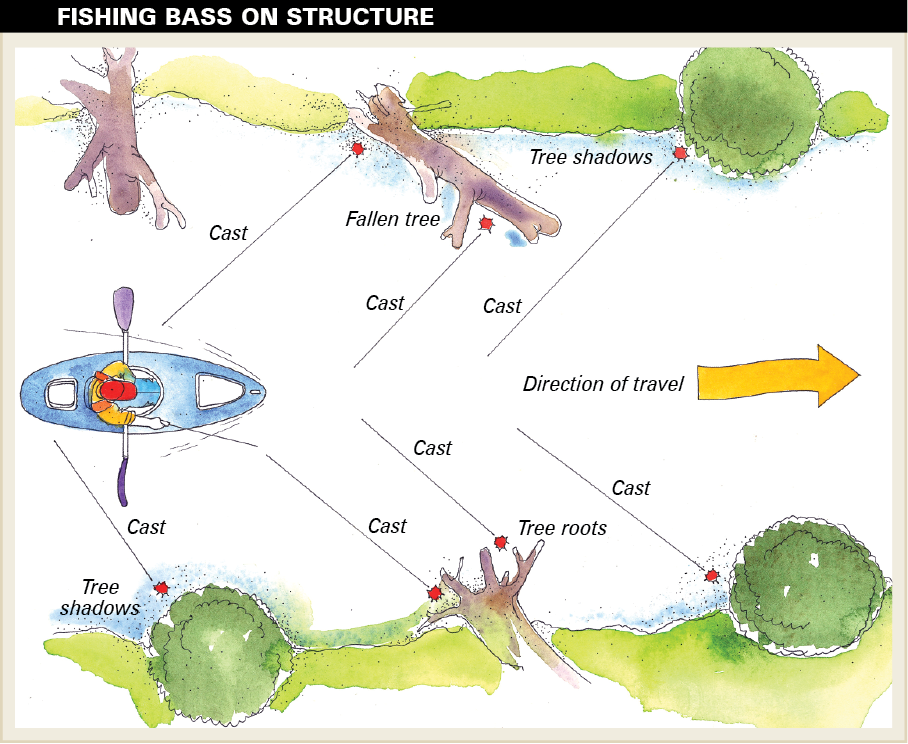
In a river or creek most anglers tend to fish the edges where there is plenty of structure. This could be fallen trees, overhanging vegetation, tree roots and undercut banks. In some systems this is the best option. In deeper rivers and creeks, after the fish have escaped from dams, it can take several years for them to actually adopt this more natural style of behaviour. Until they do, they will school up out in the middle in open water just as they would in a dam. During breeding time around the beginning of spring, as soon as the season opens, can also see the wild bass schooling so keep this in mind as not every fish will be tucked tight against the edge around structure.
Fishing Schooled Bass
If you suspect there is a chance the bass are schooling, you can’t beat using a sounder to find them. I have a Humminbird 798 which attaches to the side of my kayak and I store the small battery used to power it under the front hatch. I shoot the transducer straight through the hull and sit it in a short piece of 100mm down pipe which I have held in place and sealed with silicone on the inside of my yak. A bit of water tipped inside this pipe gets rid of the air around the transducer which works perfectly, shooting straight through the hull. With this setup, I don’t run the risk of hitting the transducer on anything as I would if it was mounted externally. The other bonus is the sounder unit, mount, cables and transducer are totally transportable and I can use the same setup on my Polycraft 3m Tuff Tender or a mate’s boat.
Running over the deeper holes or around the head and tail of pools is a good way to see if there are fish concentrations holding out in the middle of the river. The sounder will soon reveal their presence and they can then be fished as if they were in a dam.
The other way to locate schooling fish is to troll a diving lure while on the move. If you catch a fish or have a strike, give the area a second pass or cast lures back into the area of the strike.
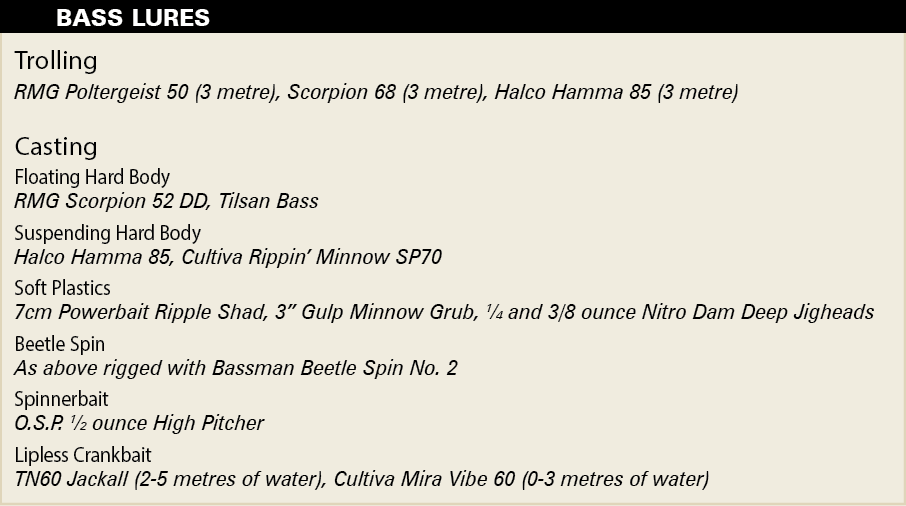 Techniques for Schooling Fish
Trolling
Trolling is one of the best ways to locate fish and since you are often paddling slowly to move around, a lure towed behind makes sense. Choose a lure which dives close to the depth of the water you are fishing and doesn’t snag up too much on underwater obstructions. I have found bigger lures work well in the place I mostly fish being the Brisbane River and my personal favourite is the Halco Hamma 85mm with a 3 metre bib. As the depth of the river changes, either change lures to suit the depth or shorten and lengthen the amount of line out to ensure the lure is swimming close to the bottom. I fish my rod parallel to the water in an adjustable rod holder but if the depth shallows up, switch it to an upright position in one of the rear flush mounted holders. This change of rod angle is enough to knock a couple of feet off the diving depth of most lures. If you are lucky enough to have a peddle or electric powered kayak, you will be able to hold your rod and lift and lower the tip to steer the lure up and down over the underwater landscape.
Not everyone has the luxury of a foot paddled craft or electric motor. When paddling, I sometimes tuck the rod butt under one leg, place the rod across my belly and the tip points out the opposite side and I then paddle over the top of it. If you use this method, back the drag off a bit because the line may rub against your body as well as the rod guides when a fish hits the lure or if you snag up. The benefit of this approach is you will have a better feel for what is going on. When the lure digs into the bottom or rubs over a snag you will instantly know. From this position, the rod is easily accessible to make changes to lure depth by lifting it high over snags or shortening the amount of line out to reduce the depth the lure is capable of diving to and vice versa.
The beauty of trolling is you will not only find schooling bass but may pick up a solitary fish holding deeper and out in the middle. These loner fish are sometimes bigger and rarely see a lure as they sit well out in the middle of the river on some hidden form of structure.
Soft Plastics
It’s hard to beat a soft plastic when it comes to targeting schooled bass in the river or creek. I carry a selection of jigheads and usually find the two I use most are the Nitro Dam Deep in 1/4 and 3/8 ounce. Shad and grub style plastics in the 75-80mm size are ideal. Paddle tail actions are very effective on the bass although my 9 year old son would argue you can’t go without some curl-tailed grubs in your kit. His multiple captures of 50cm plus bass on the Gulp 3” Minnow Grub are fair justification for his theory.
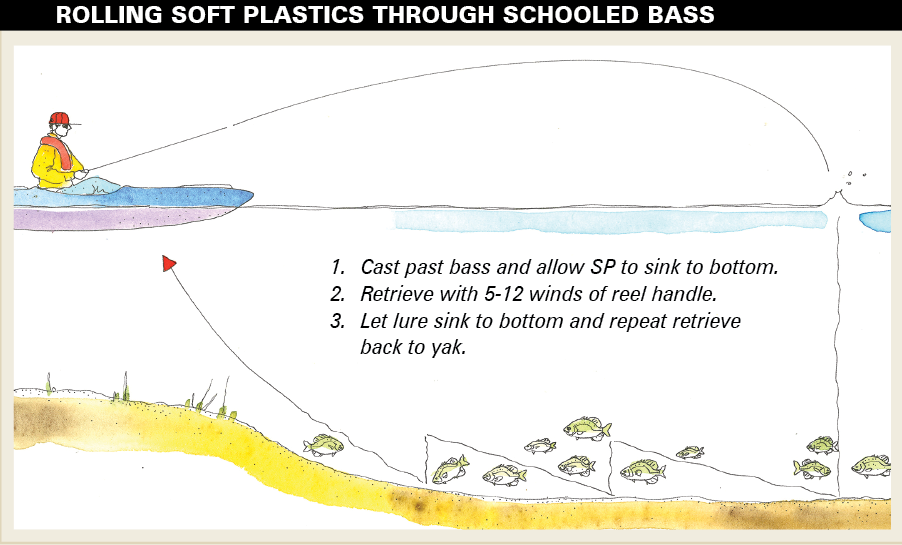
Plastics can be used just as they are in any other waterway. When fish are located, cast over them and let the lure sink to the bottom. When the line goes slack indicating it is on the bottom, commence 5-12 winds of the reel. The number of winds will depend on how close to the bottom the fish are holding. After the winds, drop the lure back to the bottom and repeat the process. For the last part of the retrieve where the lure lifts off the bottom and comes almost vertically back to the tip, slow the winds right down so the there is barely any action in the plastic’s tail. Plenty of bass will sit under the kayak if you’re running a sounder and this is the ideal way to get these stubborn fish to bite.
Blade Baits
Blades are a dynamite lure in the creeks and rivers. I love to use them when water clarity is a little poor as their thumping vibrations ensure the fish know they are in their vicinity. When it comes to technique, you can either retrieve or hop. I include 1/5 ounce (5.6g) to 3/8 ounce (10.6g) blades and prefer the lighter ones for hopping and the heavier models for retrieving.
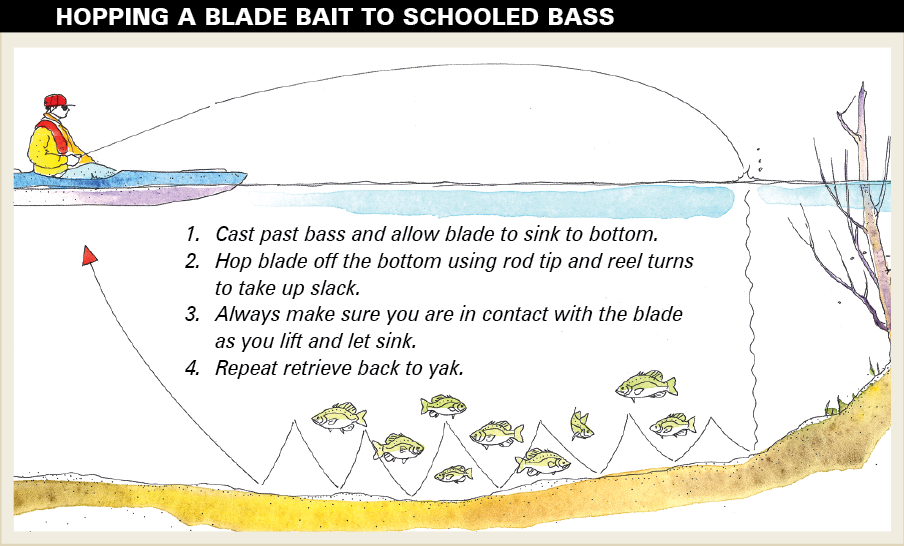
Like a plastic, cast over the fish and let the blade hit the bottom. The lure can then be retrieved for several turns of the reel before it is dropped back and the process is repeated. Hopping is a deadly technique on river and creek fish. The lure is hopped off the bottom by taking up the slack with the reel and then sharply lifting the rod to make the lure dart off the bottom. As the lure falls, take up the slack to ensure you stay in touch with it and can detect any bites. Keep hopping all the way back and don’t be afraid to mix it up with a few extra winds here and there. The right sized hop can trigger a better response so experiment with lifting the lure between 30 and 90 centimetres off the bottom.
Fishing Structure
When fishing structure in the rivers and creeks it all comes back to the bare basics and using our hunter instinct. Without the aid of a sounder, we can pick a lure, chuck it at a fishy looking spot and hope for the best. It is fishing at its simplest and requires only a minimum of equipment. Apart from dealing with a few tangles in the trees and wrestling bass from their snaggy homes it’s all pretty basic stuff.
-

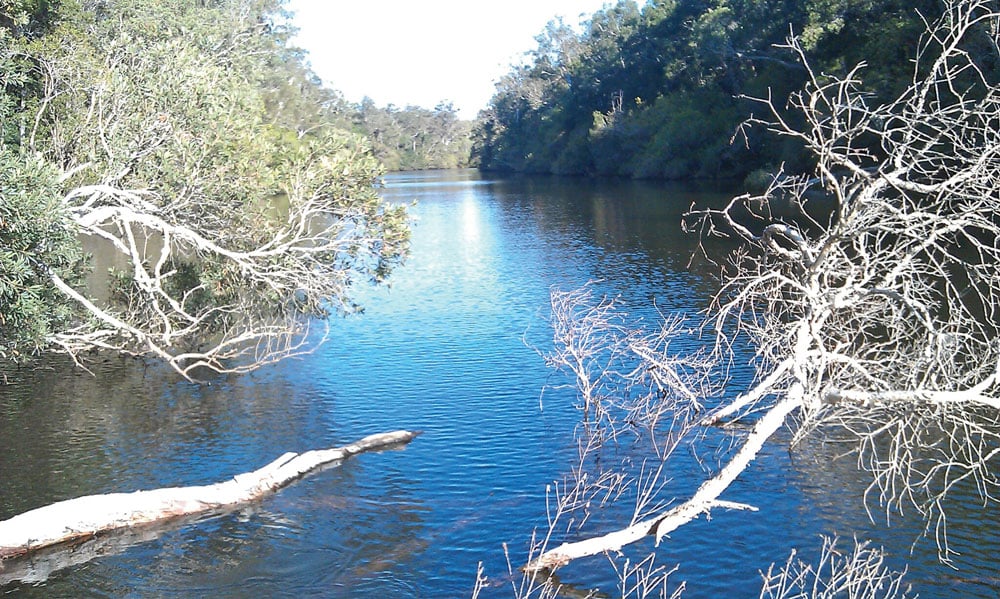
- When enjoying the serenity and moment paddling through bass waters, the fish are a bonus.
-
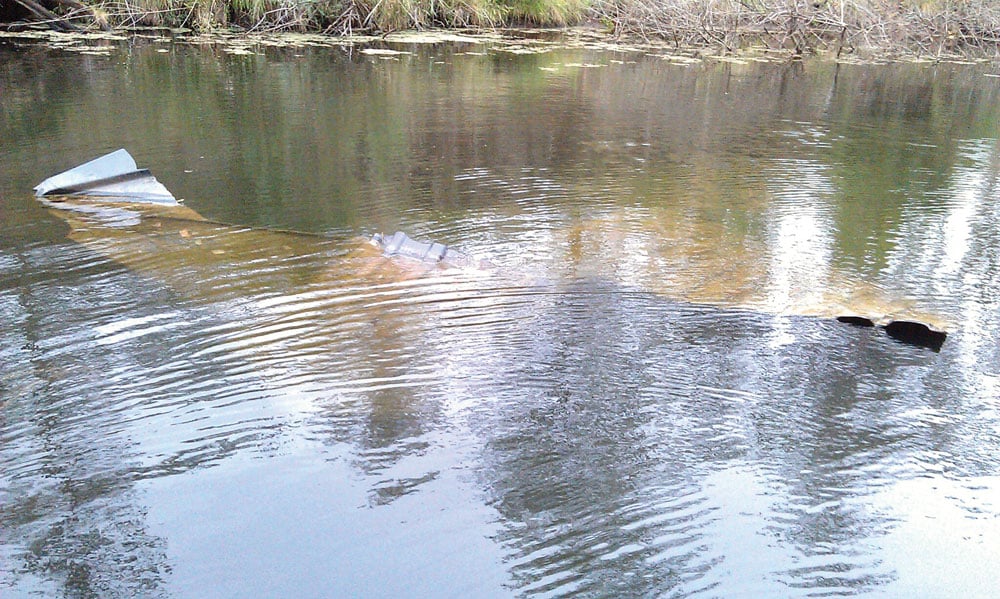
- The ripped and twisted shell of this poly tank in a secret creek makes prime bass habitat. Crank a suspending hard body into the shadow inside and it won’t last long.
Hard Bodies
Casting hard bodied lures around the creeks and river edges is the perfect way to go about tangling with a bass or two. The aim is to place casts near structure so keep an eye out for underwater snags, undercut banks, tree roots, rocks or overhanging vegetation which throws shade over the water. One of my favourite bass holes has a ripped and twisted carcass of a poly tank sitting on the bottom of a deep hole. Big bass love the cave-like structure and a hard body cranked down and paused in there never lasts long.
Pausing lures at least a few times per retrieve is a good idea. Suspending lures are ideal for this as during the pauses they sit motionless, giving suspicious bass plenty of time to come out and inspect. The downside of suspenders is they don’t float off snags so if you find you are getting hung up too often, a floating lure is the answer. Floaters can also be twitched a few times on the surface. This method works well around overhanging vegetation. Bass see the surface commotion and lure twitching on top after it splashes down and think it’s a present from the heavens above. Sometimes strikes come as soon as the lure dives down but don’t be surprised if the surface erupts and the lure is eaten on top.
Reaction Baits
Faster presentations worked around the bank-side structure will excite and bring on the reaction strike bass are so well known for. When bass are on the job and willing to chase down their food, reaction presentations are the answer. They cover the water quickly and can be used to explore areas fast. The downside is it can be hard to paddle the kayak at a pace fast enough to fish these lures to new areas unless the wind is in your favour or the water is running. It is a nuisance putting down and picking up the paddle over and over again just to keep the kayak moving along the desired path. Peddle driven kayaks like the Hobie or an electric motor powered craft won’t have the same problem.
Spinnerbaits and lipless crankbaits are perfect for buzzing out from the edges. As they reach deeper water, slow the presentation down and allow them to probe deeper and follow the bottom contour. Beetle spin blades rigged on 1/4 ounce jigheads fitted with a paddle tailed plastic are also great for working around the edges. I find these lures snag more on timber but they are great if there is any weed floating on the surface or growing off the bottom. If I had to pick one reaction bait for wild bass, the beetle spin would be it.
 Kayak Handling Tips
Whether fishing schooled fish out in the middle or working the edges, there are several things we can do to make our life easier. It gets a bit awkward when you’re sitting in the one spot and manoeuvring your rod and gear about makes you feel like you’re turning inside out. The first and simplest thing you can do is keep everything tidy and within arm’s reach. That way you will know where it is when you want it and develop a system and routine for using it. For example, my pliers and braid scissors live on my right hand side attached to a lanyard because I’m right handed. My spare rods run up the middle of the kayak in front of me so they don’t tangle on sticks or trees and don’t impede my casting. Things you use often should always be kept close at hand to make life easier and avoid creating too much hassle. After all, kayaking is a relaxed and peaceful pursuit so why make things any harder than they need be.
With everything ready but out of the way, we can start paddling and fishing. A rudder on a kayak is the most effective means of manoeuvring when your hands are full. When a gust of wind blows or a fish steers you in the wrong direction, the rudder is your friend. When fishing, the weight of retrieving a lure is usually enough to affect the kayak and make it want to spin. Change rod angles to make the kayak spin in the right direction and use the rudder to counteract any spinning to give you more casts before you need to reach for the paddle. When fishing big lures for cod, I place casts to pull my kayak down the waterway with very little need for a paddle. The right rod angle can have a similar effect when bass fishing with lures which create more drag through the water. Less time paddling and positioning the kayak and more time spent casting should equal more fish.
I often use my rod tip to paddle and reposition. A couple of swipes beside the yak with a metre of rod in the water soon corrects a spinning kayak and has you fishing out of the desired side. I’ll often cast my lure first and while it’s sinking drag the rod tip through the water to get everything lined up before I start retrieving in an attempt to maximize my time on the water and make kayaking life easier.
By changing rod angles when loaded up on a fish you can alter where the yak is being pulled from and in conjunction with the rudder, you can steer the kayak to safety or stay clear of where the fish came from to ensure a better chance of success on the next cast to that area. If you’ve never tried this, next time you are snagged up give it a go to see how the kayak is affected when pulled from different angles. The weight of a big bass will pull you around so when you can, use this to your benefit.
Without delving right into every aspect of bass fishing from a kayak and just touching on a number of areas, I hope I have managed to open your eyes to different approaches for kayak bassing in our creeks and rivers. To share the beautiful surrounds with our quarry is almost satisfying enough. To catch them successfully takes it to the next level and that is when the addiction of bass fishing from a kayak really kicks in. I wish you aching drags and buckled rods on your next kayaking adventure.
Jason Ehlrich is a fishing journalist and presenter and lives just north of Toowoomba on Queensland’s Darling Downs. He specialises in Australian freshwater species such as bass, barra and cod but loves to target anything with fins. He is a Pro Staff member for companies such as Berkley, Abu Garcia, Halco, Humminbird and Minn Kota.