A pathway for rebuilding South Australia’s Snapper stocks
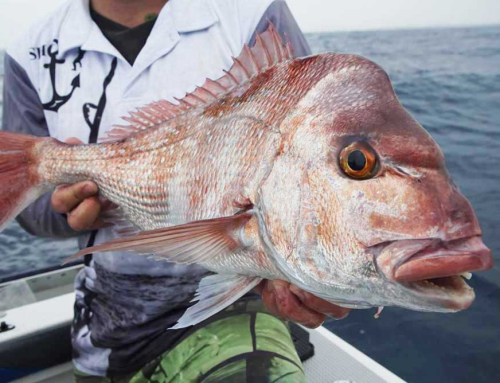
The South Australian Government has adopted a new Snapper Rebuilding Plan to support the long-term recovery of the Spencer Gulf/West Coast and Gulf St Vincent Snapper stocks.
The Plan outlines how these stocks will be rebuilt to sustainable levels and provides a science-based framework to guide future decisions about reopening Snapper fishing in currently closed areas.
Why is the Snapper Rebuilding Plan needed?
Snapper fishing has been closed in South Australian waters, other than the South East, since 2019 to help stocks recover, following stocks being classified as depleted.
The latest scientific assessment, released today, indicates Snapper stocks were recovering prior to the algal bloom event in 2025, which is an encouraging sign for the future of the fishery. However, uncertainty remains about the bloom’s impacts on Snapper populations, particularly in Gulf St Vincent, and further monitoring is required before any decisions about reopening currently closed fisheries can be considered.
The Snapper Rebuilding Plan provides a clear pathway to:
- rebuild depleted Snapper stocks to sustainable levels
- support future fishing opportunities
- ensure management decisions are guided by the best available science
- protect social, economic and community benefits associated with Snapper fishing.
How will future reopening decisions be made?
The Snapper Rebuilding Plan establishes clear decision rules to guide future management decisions. Any future reopening of Snapper fishing in currently closed areas will depend on:
- stock biomass levels
- evidence of successful recruitment (young fish entering the population)
- outcomes of future stock assessments
- scientific advice and management recommendations.
Importantly, the Rebuilding Plan does not guarantee fishing will reopen by a particular date. Decisions will be based on scientific evidence of stock recovery.
Management arrangements
The Plan sets out management arrangements to support the rebuilding of Snapper stocks and to sustainably manage them once fishing reopens. These include pre-determined decision rules for how catch limits will be set, catch reporting requirements, a seasonal spawning closure, and targeted spatial fishing closures at key Snapper aggregation sites.
Ongoing monitoring and assessment
To help inform future decisions, PIRSA and SARDI will continue to monitor Snapper stocks through:
- fishable biomass assessments
- recruitment monitoring
- biological sampling
- future stock assessments.
Additional biomass surveys and a further stock assessment are planned for 2026/27 to improve understanding of the impacts of the harmful algal bloom and provide updated information on stock recovery to inform potential reopening of currently closed Snapper fisheries after 30 June 2027.
How fishers can help
As Snapper populations recover, recreational fishers may encounter more Snapper while targeting other species.
You can help support rebuilding efforts by:
- using best-practice fish handling and release techniques
- minimising time out of the water
- using release weights where appropriate
- moving on from areas where Snapper is being regularly encountered
- voluntarily reporting released Snapper to assist ongoing monitoring and research.