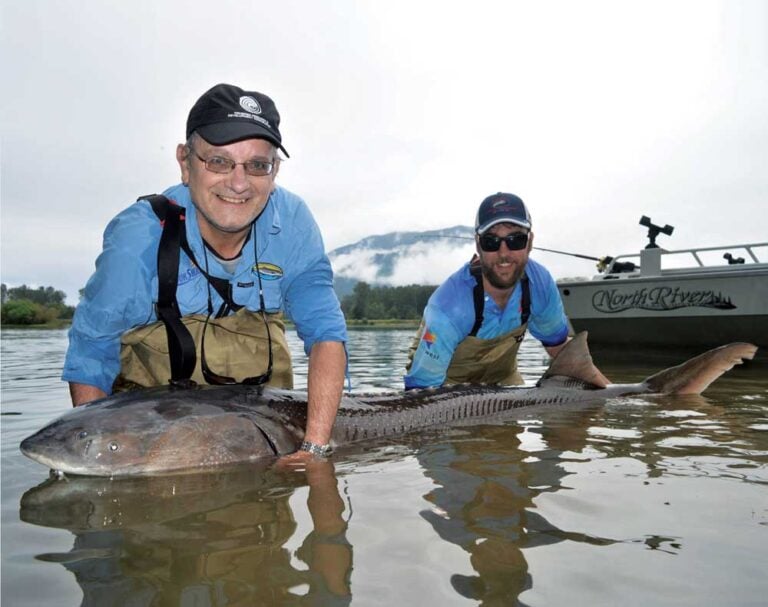
FISHING WITH A BAG LIMIT
I have always loved fishing and like to think that I’m pretty good at it. It has been my passion and my

Louis Vuitton. Side Trunk GM x Nicolas Ghesquière
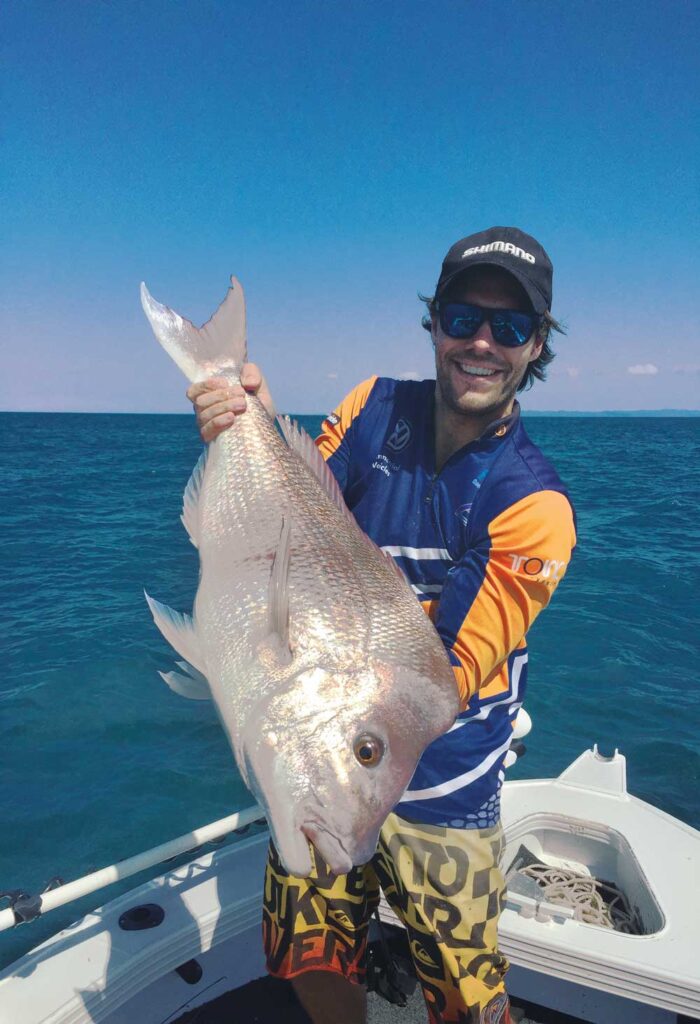
Snapper; probably the closest thing we have to a truly national inshore/offshore reef species. Sure the lovely folk of northern Australia don’t encounter them but between their barramundi, fingermark, black jew and tropical reef species, I don’t think they mind.
When you think about it, snapper are a damn cool fish. They can be caught in varying depths from a few feet down to a few hundred feet and populate inshore bays and estuaries as well as offshore reefs. They’re also aggressive feeders, smashing all types of baits and lures and they taste great on the plate.
UNDERRATED
In terms of the title of Australia’s greatest snapper fishery, there are a few very good candidates. The South Australian snapper meccas of Whyalla and Arno Bay have to be right up there. As does Port Phillip Bay and Western Port in Victoria. I can hear the folk of Coffs Harbour getting vocal already while Queenslanders are spoilt for choice with the Gold and Sunshine Coast holding huge numbers of quality snapper almost all year round.
It’s probably not at the top of the list but Moreton Bay, on Brisbane’s doorstep, is an exceptionally underrated snapper fishery. It can be hard work, but those hard yards lead to incredible reward when the snapper gods smile in your favour.
FEEDING PATTERNS
If you’re serious about chasing snapper, it’s important to understand how they feed. Unlike most reef dwelling species, snapper go searching for food rather than wait for it to come to them. It is this characteristic that allows them to be caught in so many water depths and conditions.
Snapper will typically roam across areas where some level of structure can be found on the bottom. Patches of gravel, rock, sea grass and artificial reef tend to hold food, be it baitfish, small crustaceans or squid. Moreton Bay is littered with such areas, particularly in the shallows, which makes for some of the most exciting snapper fishing imaginable.
In the northern bay, areas around Scarborough, Redcliffe and Woody Point are loaded with rocky reef and gravel patches. A drive along the peninsula on low tide will give you some idea of just how much structure can be fished when the tide is full in this area. The terrain is similar around most of Moreton Bay’s smaller islands like Peel and Mud. In the right conditions, snapper will regularly inhabit the shallow water to feed, mostly in low light periods or darkness in which they feel most comfortable.
In the deeper areas of the bay there are several rock bombies and artificial reefs which provide the perfect home for big snapper. This deeper structure, in 15 to 25 m of water, provides more of a permanent home for snapper to reside and this probably explains why some of the biggest snapper caught in Queensland, in excess of the magical 10 kg mark, actually come from within Moreton Bay.
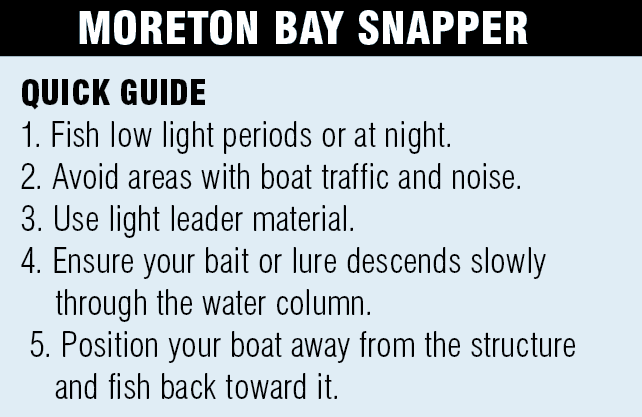
These big ‘knobbies’ don’t grow huge by being stupid so chasing them, and catching them can be an arduous task at times but a rewarding one if a prized snapper hits the deck. Whether you’re chasing them in the shallows or deeper water, it’s important to note that snapper will move away from the structure; therefore, boat positioning is key. Don’t anchor directly on top of your chosen reef or wreck and fish ‘up and down’ on top of it. You’ll need to employ a lot more finesse than that if you want success in Moreton Bay.
While a lot of resident snapper will be somewhat accustomed to noise, they’re unlikely to venture out to eat when boats are whizzing around at speed in full sunshine. When you’ve got your likely location sussed out, concentrate your efforts around the vicinity of the structure rather than right on top of it. If you’re fishing soft plastics, set up your drift 30 to 40 m away from the reef and cast toward it. If you’re fishing baits, anchor a similar distance away and use the current to float your baits back into the strikezone.
USING LURES
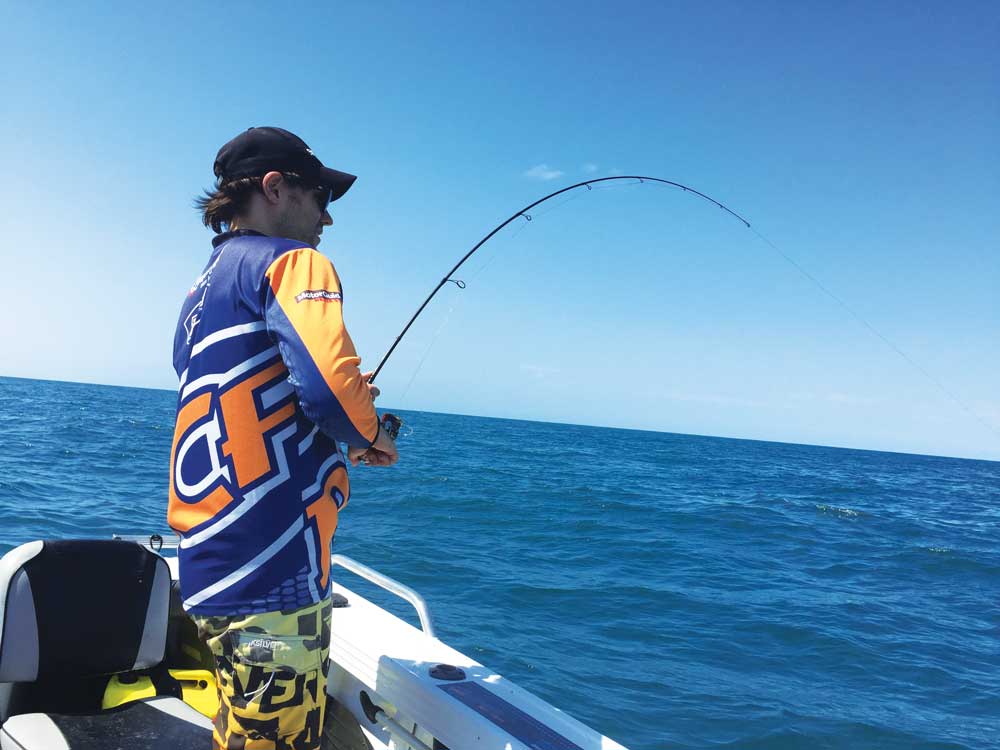
The soft plastics revolution has well and truly changed the way we go about chasing snapper. Heavy overhead set ups rigged with monofilament line have been replaced by thread line reels, light spin rods and braid that you could floss your teeth with. Sure, there’s nothing wrong with the old way, it still works, but the new game is so much more fun.
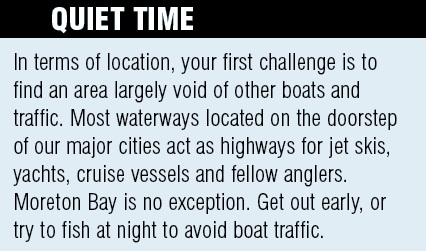
As mentioned, stealth is the key in Moreton Bay so light soft plastics really come into their own. Once you have identified your location it’s important to understand the conditions to ensure you’re fully equipped to most productively fish the area.
First thing to consider is the structure you’re fishing as this will determine the strength of your leader material. As a general rule you want to be fishing as light as possible as this will normally mean more bites. Having said that, there isn’t a lot of fun involved in hooking a 7 kg snapper on 10 lb leader in 3 m of water with rocky reef scattered everywhere. Choose your leader wisely and opt for fluorocarbon as it’s nearly invisible. Anything from 15 to 30 lb is a good place to start.
If you’re fishing sand or gravel, fish lighter. Contrary to that, if you’re fishing hard reef, err on the side of caution and go heavier. About a rod length is the common employed guideline in terms of leader length.
Your next decision is jighead weight. Getting this right is the most important factor in soft plastic fishing for snapper and generally you can only do so by feel.There are a few other factors to consider here, including tidal flow/current, wind strength, direction and depth. Ultimately, you want your lure to waft through the water column as naturally and as slowly as possible while ensuring it reaches the bottom. Snapper do leave structure to feed and will regularly rise to hit a lure or bait higher in the water column.
Boat positioning can also aid the natural appearance of your lure. Position your boat upcurrent to the area you want to fish and cast back towards it. As the boat drifts towards the structure you’re fishing, the slack line will allow your plastic to waft naturally to the bottom. Give your lure plenty of time to initially hit the bottom and then as the boat drifts, wind in the slack, give the rod tip a few flicks to skip the lure off the bottom and let it descend once again. Repeat this process until you’re almost fishing directly above your lure. You can then either let line out and allow your plastic to flutter naturally behind the boat as you drift or retrieve your lure, reposition your boat and go again.
Ninety-five per cent of the time a snapper will hit the lure on the drop, often as your lure descends after the cast, so be on your toes and if line starts to stream off the spool, flick the bail arm over and hang tight.
LURE CHOICE
In terms of lure selection, five inch soft plastics are a good place to start. For the shallow areas of Moreton Bay I recommend you go slightly smaller and primarily use a plastic with plenty of natural tail action. If you’re chasing a big knobbie, upgrade to a seven inch plastic. The success of soft plastics on snapper have opened door to other lure styles as well.
Vibes are particularly effective when fished in a similar fashion to soft plastics. A growing trend in the Moreton Bay shallows is trolling medium size, deep diving hardbodies. The Zerek Ripper Diver has been a proven performer and it can be fished in the same you’d target barramundi on a rock bar. Tune your lure to swim in the bottom foot of the water column, at times kissing the bottom, to cause a disturbance to the gravel and sand. Not surprisingly, a hungry snapper will normally launch at that type of offering if it’s within its vicinity.
USING BAITS
There are a lot of similarities between the techniques used to catch Moreton Bay snapper on bait as there is to catch them on lures. Again, it’s important to position your boat away from the structure, rather than on top of it. Use the current and wind conditions to lightly float your baits back into the strikezone. Anchoring up is recommended and a solid berley trail can also be a very effective way of bringing the fish to you, rather than vice versa.
Float lining is traditionally the way to target snapper in this part of the world and on its day, it’s probably still the most effective technique. The rig is simple; a small running ball sinker rigged directly on top of a single hook or a set of gangs. Use a small fluoro green bead between the sinker and hooks to provide a barrier and to ensure your sinker doesn’t crunch down on your knot. When float lining for snapper, it’s important to take current flow into account and allow adequate distance for your bait to waft naturally through the water column, ideally reaching the bottom at the point where you believe the fish will be sitting.
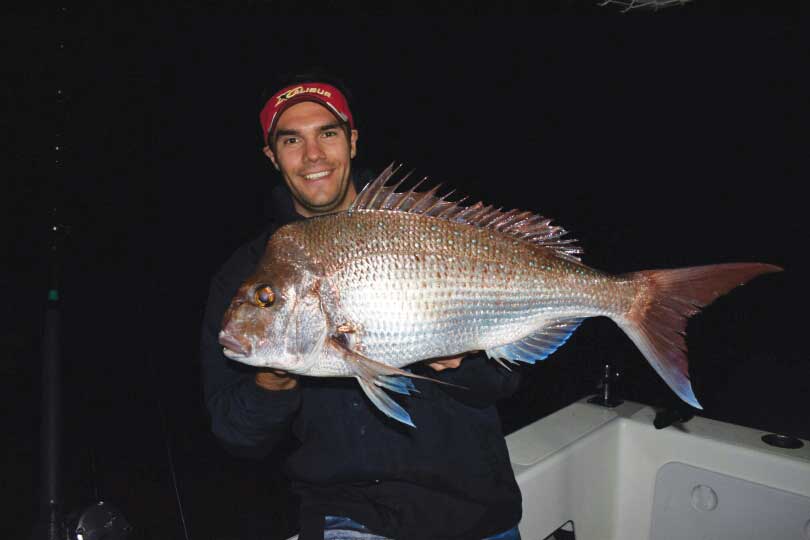
A berley trail encourages snapper to move off the bottom and up the berley trail to feed. Lightly weighted baits presented naturally will rarely be ignored by a snapper making its way up the berley trail. Gently feed your line out as your bait descends at about a 45 degree angle to the boat. Keep your rod tip low to avoid any slack line being affected by the wind and when your bait gets closer to the strikezone pay close attention to your spool. A snapper will typically take the bait and run. Resist the temptation to strike aggressively and instead allow the fish a couple of seconds to engulf the bait before engaging the reel and leaning on the rod to set the hooks.
Pilchards are probably the most popular snapper bait in Moreton Bay; however, pike, squid and yakka are all plentiful and can be dynamite if you get your hands on them. No matter what your choice of bait, ensure it’s rigged straight to avoid any spinning on the way down. A wise old Moreton Bay snapper will want little to do with a pilchard impersonating a helicopter on the descent.
Live baits can always be dynamite for snapper but should be fished with a slightly heavier sinker to ensure they remain in the strikezone. Modify your rig slightly by placing your running ball sinker above a swivel and connecting 60 to 80 cm of leader material. This will allow your live bait to move around without being impaired by the weight of the sinker.
Moreton Bay, by no means is an easy snapper fishery ,but definitely one of the most diverse. From depths of a couple of feet to 30 m, snapper can be found almost anywhere within the bay and some XOS fish call it home. Any fishery that you can fish before heading to work in a major Australian city is pretty cool and the fact that it’s full of lure crunching knobbies makes it even better.
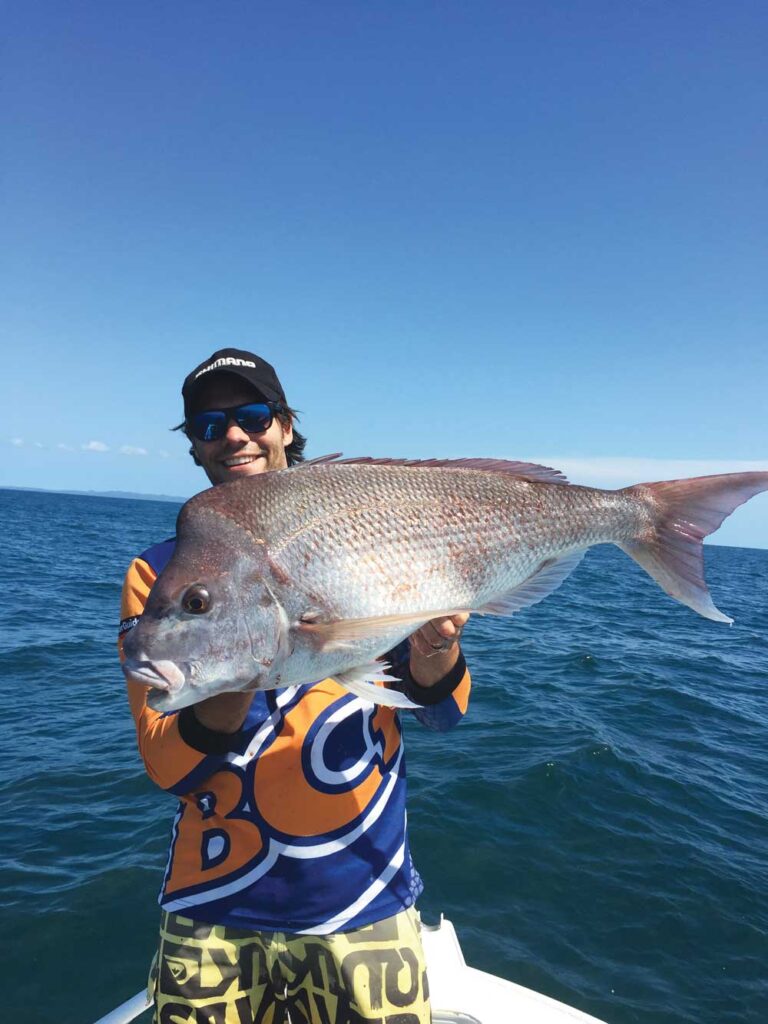
Chris Raimondi lives in South East Queensland working at the BCF headquarters. Chris is into everything angling; from bream and barra to snapper and red emperor. Chris’ role at BCF means he is privy to seeing many of the newest lures on the market before they hit the stores and is quick to give them a swim at any opportunity!
I have always loved fishing and like to think that I’m pretty good at it. It has been my passion and my
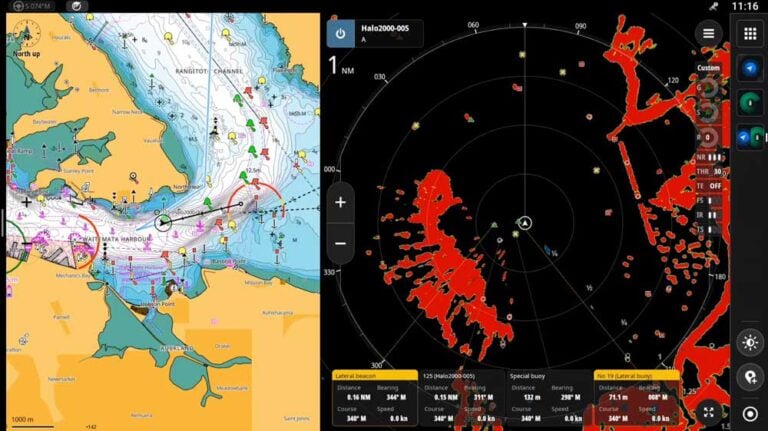
Simrad Marine Electronics, a leader in marine electronics and navigation, today introduced a new Navigation Aid feature across the full range of
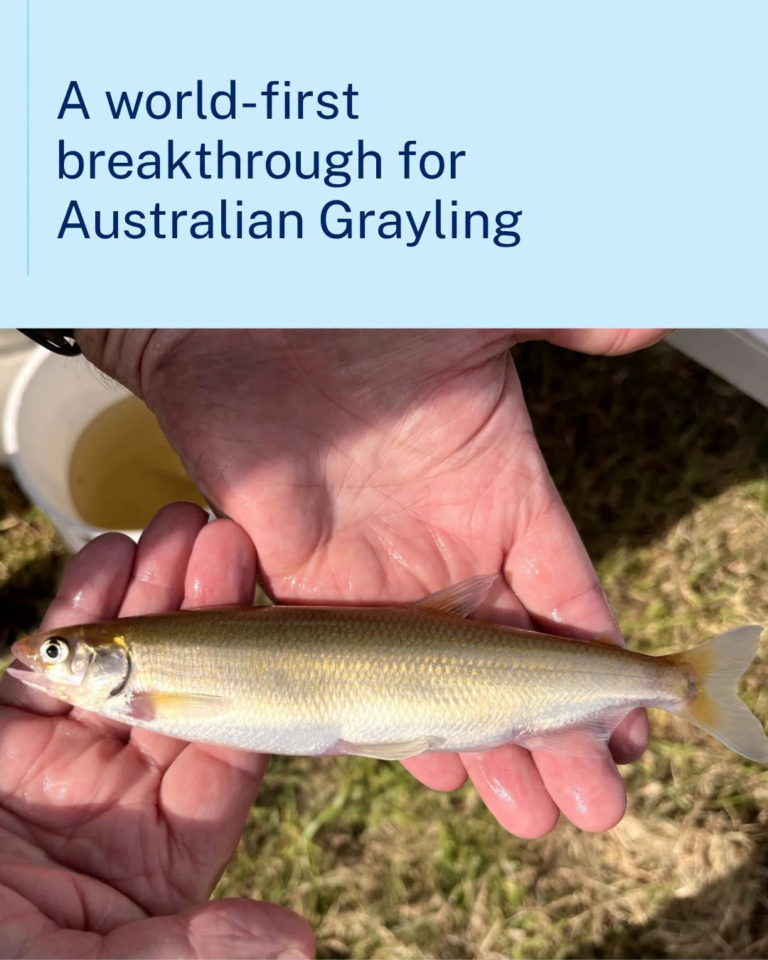
For the first time anywhere in the world, NSW Fisheries scientists have successfully bred endangered Australian Grayling in captivity at the Port