More catfish have been translocated to Northern Victoria in an effort to re-establish populations of the endangered native fish species.
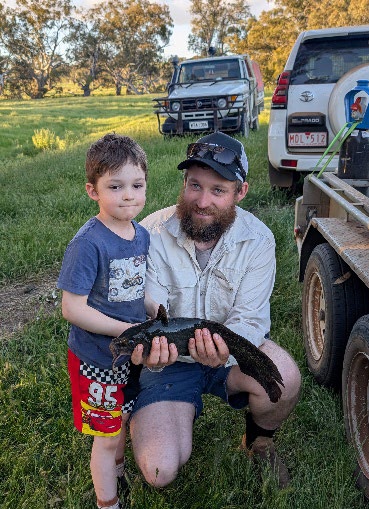
On the weekend of the 15th of November, the VFA made the trip over to Casterton to collect catfish for translocation from the Casterton Angling Society’s annual Carp/Catfish competition on the Glenelg River. We were greeted by many keen anglers not only from Casterton, but Dartmoor, Portland and Merino angling clubs as well!
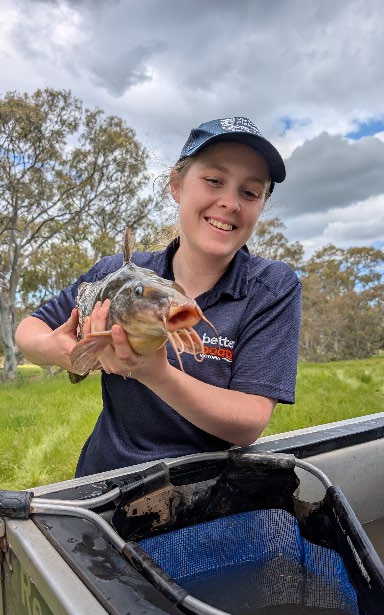
The aim of the weekend was to collect as many catfish as possible as they are very common in the Glenelg River despite it not being their natural habitat. Once collected they are translocated to waterways where they are naturally occurring but are critically endangered to help establish and grow populations.
The competition was fierce as fishers tried to catch the most catfish and the biggest carp. It was awesome to see how passionate the local community were about preserving their waterways and helping to re-establish native catfish populations. Over the weekend there was a total of 31 catfish caught with the winning angler reeling in 7 catfish! They were all incredibly healthy and were at a mature breeding size, perfect to re-establish populations! A total of 146 carp were removed from the river!
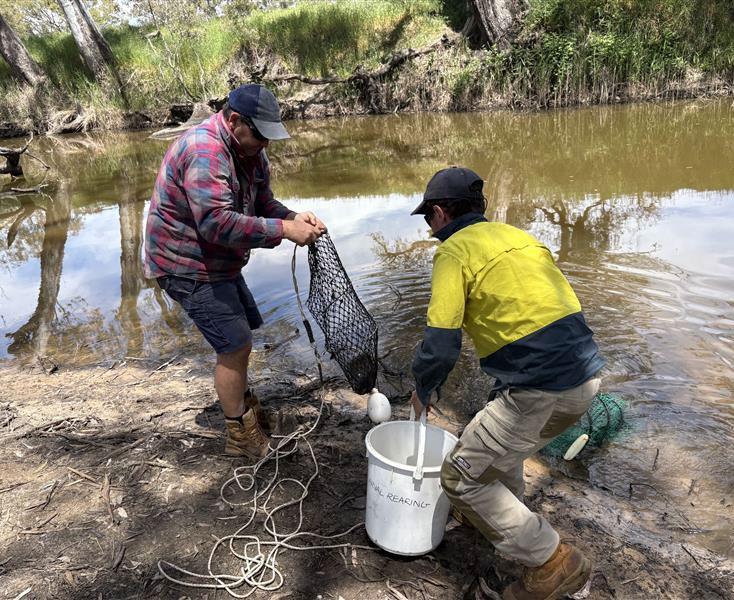
Once all the catfish were collected, the VFA had the mission of delivering them safely to their new homes!
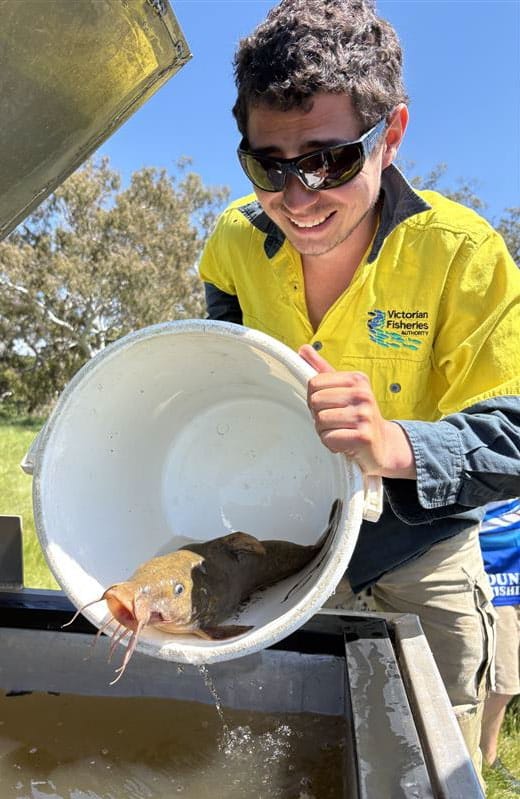
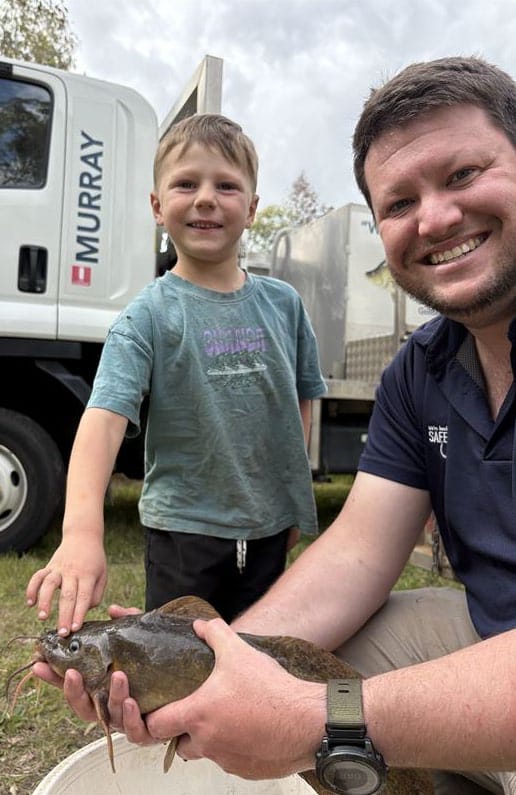
Dunyak Moira received 10 catfish while 21 catfish were released into the Goulburn River at Murchison.
All fish swam off happy and healthy ready to enjoy their new homes and establish the next generation of catfish! It was a big team effort and we are incredibly thankful to the Casterton Angling Society for hosting such a wonderful event and for their ongoing support in helping the VFA with native catfish translocation.
With the help of recreational anglers, traditional owner groups and Catchment Management Authorities the VFA has translocated upwards of 12,000 catfish over the last two years to re-establish 22 populations in Northern Victoria. To re-establish this many populations of an endangered native fish is a massive step towards downlisting and recovery of the endangered native fish species.
Glenelg River Catfish Translocations
Share This Story, Choose Your Platform!
Related Posts